
Cold smoking transforms ordinary ingredients into rich, aromatic foods with remarkable depth of flavor. Whether you’re preparing artisan cheese, premium salmon, homemade bacon, nuts, or spices, choosing the right cold food smoker can elevate your results from average to exceptional.
Unlike hot smoking, cold smoking focuses on infusing food with smoke while keeping temperatures low enough to preserve texture rather than cook the product. This technique has been used for centuries, yet today’s equipment makes it easier, safer, and more consistent than ever before. This comprehensive guide explains how a cold food smoker works, what features matter most, and how to achieve professional-quality results in your own backyard.
What Is a Cold Food Smoker?
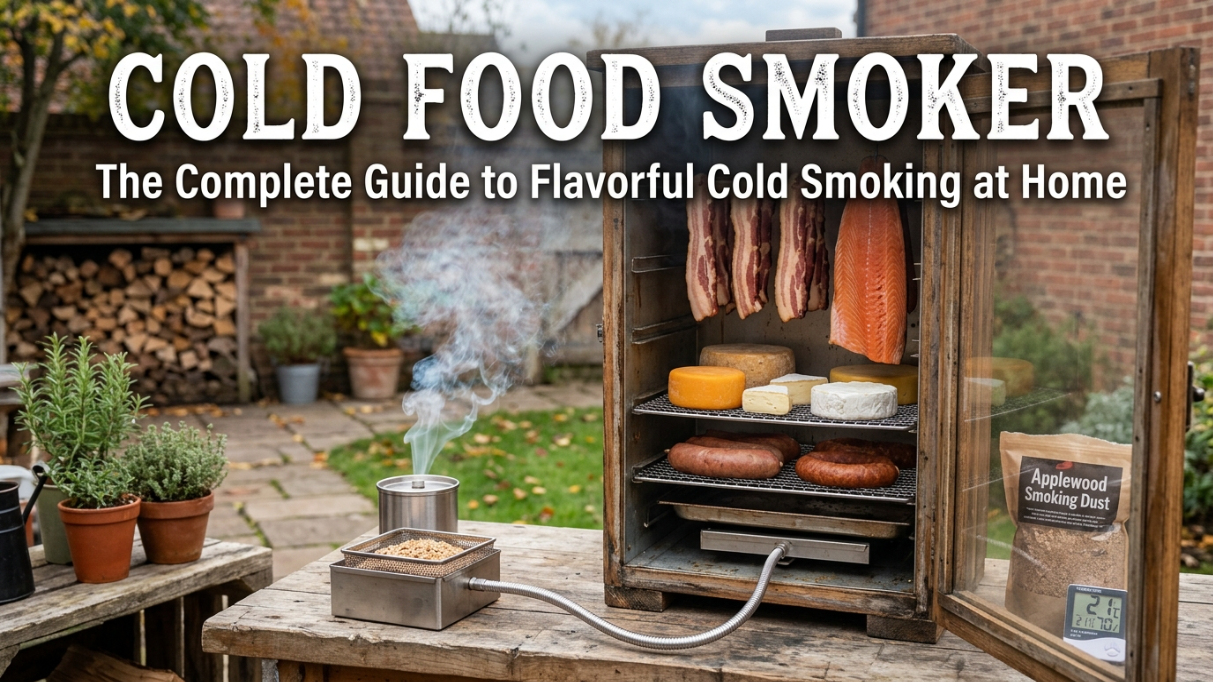
A cold food smoker is a smoking device designed to produce flavorful smoke while maintaining temperatures typically below 90°F (32°C). This allows foods to absorb smoke without cooking, preserving their original texture while developing complex aromas.
Modern cold smokers use pellets, wood dust, chips, or external smoke generators to create clean smoke. They are commonly paired with dedicated smoking cabinets, grills, or modified smoking chambers that separate the heat source from the food.
How Cold Smoking Differs from Hot Smoking
The primary difference between cold and hot smoking lies in temperature. Hot smoking cooks food while adding smoky flavor, whereas cold smoking focuses almost entirely on flavor infusion and preservation techniques.
This distinction creates dramatically different results. Cheese remains creamy, salmon develops a silky texture, and cured meats mature with deep smoky character instead of becoming fully cooked during the smoking process.
How a Cold Food Smoker Works
A cold food smoker generates slow, consistent smoke that circulates around food without significantly increasing chamber temperature. Proper airflow ensures fresh smoke continually passes over the food while stale smoke exits the chamber.
Most systems rely on slow-burning hardwood pellets or fine wood dust that smolders rather than burns aggressively. This controlled combustion produces clean smoke rich in desirable flavor compounds without excessive heat.
Foods That Benefit Most from Cold Smoking
Cheese is one of the most popular choices because smoke enhances its richness without melting the interior. Hard cheeses, semi-soft varieties, and even fresh mozzarella develop distinctive flavor profiles after proper resting.
Fish, bacon, cured sausage, butter, olive oil, almonds, salt, garlic, peppers, and spices also respond exceptionally well. A versatile cold food smoker allows experimentation across many ingredients while maintaining consistent smoke quality.
Benefits of Using a Cold Food Smoker
One of the greatest advantages of a cold food smoker is flavor complexity. Low-temperature smoking allows delicate ingredients to absorb subtle wood aromas over several hours without altering their original structure.
Another major benefit is versatility. A single smoker can prepare gourmet appetizers, artisan charcuterie, infused seasonings, specialty cheeses, and premium seafood suitable for entertaining or everyday cooking.
Choosing the Right Cold Food Smoker
Several factors determine which cold food smoker best matches your needs. Capacity, smoke consistency, fuel compatibility, airflow control, construction quality, and ease of cleaning all contribute to long-term performance.
Stainless steel models generally provide superior durability and corrosion resistance. Adjustable ventilation, efficient smoke circulation, and reliable ignition systems also improve consistency during longer smoking sessions.
Comparison of Common Cold Food Smoker Types
Choosing between different designs depends on your cooking style, available space, and desired versatility. The table below compares the most common options.
| Type | Best For | Advantages | Limitations |
|---|---|---|---|
| Pellet Tube Smoker | Beginners | Affordable, simple operation, portable | Limited smoke duration |
| Maze Wood Dust Smoker | Long smoking sessions | Excellent burn consistency | Requires dry conditions |
| External Smoke Generator | Advanced users | Precise temperature control | Higher initial investment |
| Dedicated Smoking Cabinet | Frequent smoking | Large capacity, professional results | Requires more storage space |
| Grill Attachment Kit | Occasional use | Uses existing grill | Less specialized airflow |
Each design can produce outstanding results when matched to appropriate foods and proper smoking techniques.
Selecting the Best Wood for Cold Smoking
Wood selection significantly influences flavor. Apple and cherry create mild sweetness, while oak provides balanced smokiness suitable for many foods. Maple adds gentle complexity, and alder remains a favorite for seafood.
Avoid resinous softwoods such as pine or cedar because they produce undesirable compounds and harsh flavors. Clean hardwoods specifically manufactured for food smoking offer the safest and most predictable results.
Essential Safety Considerations
A cold food smoker enhances flavor but does not replace proper food preservation practices. Meat and fish intended for cold smoking should be appropriately cured before smoking to reduce food safety risks.
Maintaining clean equipment, monitoring temperatures carefully, and following recommended curing procedures are essential. Safe preparation practices ensure outstanding flavor without compromising food quality.
“Great smoking isn’t created by heavy smoke—it’s created by clean, consistent smoke over the right amount of time.”
This principle remains one of the most widely accepted guidelines among experienced smoking enthusiasts because clean combustion produces smoother, more balanced flavors.
Tips for Better Cold Smoking Results
Allow smoked foods to rest after smoking instead of eating them immediately. During this resting period, smoke compounds distribute more evenly throughout the food, creating a smoother and more refined flavor profile.
Weather also plays an important role. Cool, dry days typically produce better results because maintaining low temperatures becomes easier while smoke circulation remains more stable throughout the smoking session.
Common Mistakes to Avoid
Many beginners assume more smoke automatically creates better flavor. In reality, excessive smoke often produces bitterness that masks the natural qualities of premium ingredients.
Another frequent mistake is insufficient airflow. Even the highest-quality cold food smoker performs poorly if stale smoke cannot escape, resulting in heavy, unpleasant flavors instead of balanced smokiness.
Cleaning and Maintaining Your Cold Food Smoker
Routine cleaning preserves airflow and prevents old residue from affecting future batches. Ash, soot, and grease should be removed regularly according to the manufacturer’s maintenance recommendations.
Inspect vents, smoke channels, and fuel trays after each session. Proper maintenance extends equipment lifespan while ensuring every smoking session delivers consistent performance.
Trends in Cold Smoking Technology
Today’s cold food smoker designs increasingly feature modular construction, precision airflow systems, digital monitoring, and compatibility with multiple fuel types. These innovations improve consistency while making cold smoking more accessible to home enthusiasts.
Growing consumer interest in artisan foods has also expanded the availability of premium hardwood pellets, specialty smoking woods, and compact smoke generators designed specifically for residential use.
Is a Cold Food Smoker Worth Buying?
For anyone who enjoys handcrafted foods, investing in a cold food smoker offers exceptional long-term value. The ability to create restaurant-quality cheeses, smoked seafood, cured meats, flavored salts, and gourmet ingredients at home opens countless culinary possibilities.
Beyond flavor, cold smoking encourages experimentation and craftsmanship. With patience, quality ingredients, and proper technique, even beginners can achieve results that rival specialty food producers.
Conclusion
A cold food smoker is far more than a cooking accessory—it is a tool that unlocks an entirely different dimension of flavor. By separating smoke production from cooking temperatures, it allows foods to develop remarkable depth while preserving their natural texture and character.
Whether your goal is crafting artisan cheese, preparing traditional smoked salmon, enhancing homemade bacon, or experimenting with gourmet seasonings, the right equipment and proper technique make all the difference. Understanding wood selection, airflow, food safety, and maintenance ensures consistently impressive results. As interest in home food craftsmanship continues to grow, a quality cold food smoker remains one of the most rewarding investments for anyone passionate about exceptional flavor.
FAQ
What is a cold food smoker used for?
A cold food smoker is used to add smoky flavor to foods like cheese, salmon, bacon, nuts, butter, and spices without cooking them.
Can beginners use a cold food smoker?
Yes. Many modern cold food smoker models are designed for beginners with simple pellet systems and easy airflow management.
What temperature should a cold food smoker maintain?
Most cold smoking takes place below 90°F (32°C), allowing food to absorb smoke while maintaining its original texture.
Which wood produces the best flavor?
Apple, cherry, alder, maple, and oak are among the most popular hardwoods because they produce clean, balanced smoke suitable for different foods.
Does a cold food smoker preserve food?
A cold food smoker enhances flavor but should be combined with proper curing or preservation methods when preparing meats or fish for safe consumption.
Read More:Campden Tablets: Complete Guide to Uses, Benefits, Safety, and Best Practices