
How to Cook Cabbage on the Stove: The Complete Guide to Perfect Flavor, Texture, and Nutrition
Cabbage is one of the most affordable, nutritious, and versatile vegetables you can add to your meals. Whether you’re preparing a quick weeknight dinner or a comforting family side dish, learning how to cook cabbage on the stove is one of the simplest kitchen skills you can master. With the right technique, cabbage transforms from a firm, crisp vegetable into a tender, flavorful ingredient that pairs beautifully with countless dishes.
This comprehensive guide explains everything you need to know, from choosing the best cabbage to avoiding common cooking mistakes. You’ll also discover practical cooking methods, seasoning ideas, nutritional insights, and expert tips that consistently deliver delicious results.
Why Learning How to Cook Cabbage on the Stove Matters
Cooking cabbage on the stovetop gives you complete control over texture, moisture, and flavor. Unlike boiling for long periods, stovetop cooking allows you to preserve the vegetable’s natural sweetness while maintaining an appealing bite.
Mastering how to cook cabbage on the stove also opens the door to countless recipes. From simple buttered cabbage to savory garlic sautéed cabbage, this cooking method adapts easily to different cuisines and dietary preferences while requiring only basic ingredients.
Choosing the Best Cabbage
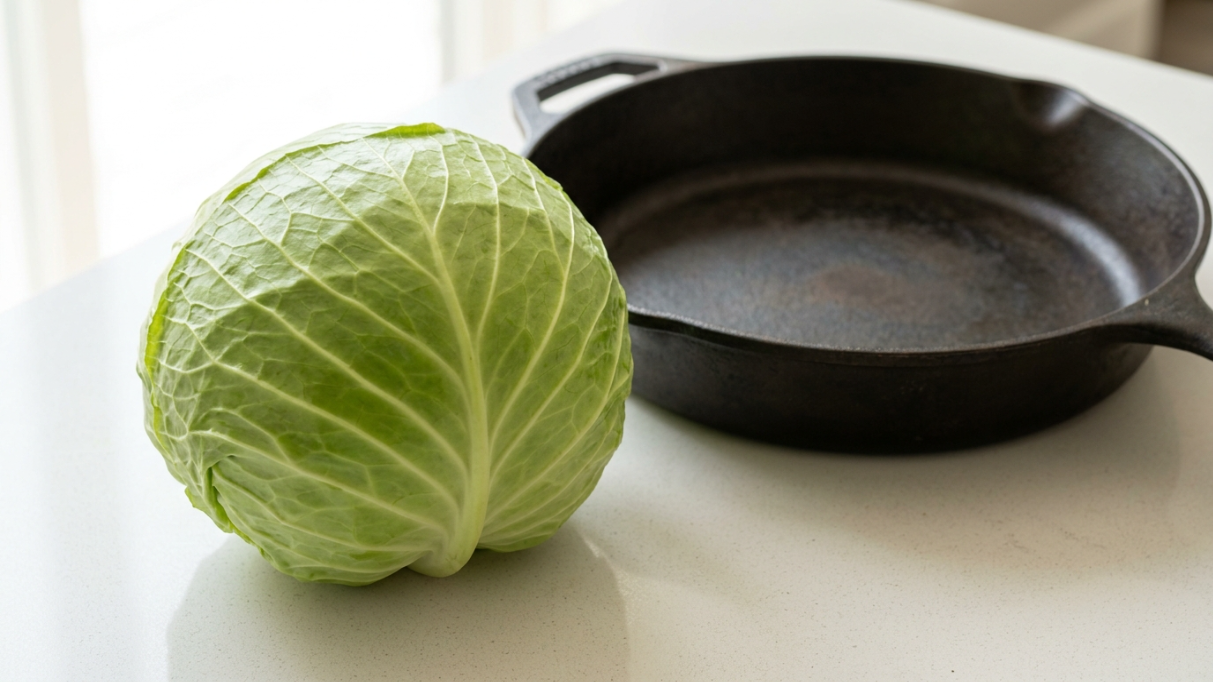
Fresh cabbage is the foundation of an excellent dish. Look for heads that feel heavy for their size, have tightly packed leaves, and show no significant browning or soft spots. Green cabbage is the most common option, while red cabbage offers a slightly peppery flavor and Napa cabbage provides a softer texture.
Before you begin how to cook cabbage on the stove, remove damaged outer leaves, rinse thoroughly, and cut the cabbage into wedges, strips, or bite-sized pieces depending on your recipe. Consistent cuts help ensure even cooking.
Essential Ingredients for Flavorful Results
Although cabbage has a mild flavor, simple ingredients can elevate it dramatically. Butter, olive oil, garlic, onions, black pepper, sea salt, smoked paprika, and herbs like thyme or parsley all complement cabbage exceptionally well.
When practicing how to cook cabbage on the stove, acidic ingredients such as lemon juice or apple cider vinegar brighten the finished dish. Small additions of bacon, mushrooms, or caramelized onions also create deeper layers of flavor without overwhelming the cabbage.
Step-by-Step Cooking Process
Start by heating a large skillet over medium heat with butter or olive oil. Add onions or garlic if desired, cooking them until fragrant before adding sliced cabbage. Stir gently to coat every piece with the cooking fat.
Continue cooking for approximately 10 to 15 minutes while stirring occasionally. Understanding how to cook cabbage on the stove means recognizing when the cabbage reaches your preferred texture—slightly crisp for fresh flavor or tender and lightly caramelized for richer taste.
Cooking Time and Texture Guide
Cooking time depends on how you intend to serve cabbage. Shorter cooking preserves crunch, while longer cooking develops sweetness and tenderness through gentle caramelization.
The following table provides a practical reference for achieving your preferred texture.
| Desired Texture | Approximate Time | Heat Level | Best Uses |
|---|---|---|---|
| Crisp-tender | 5–7 minutes | Medium-high | Salads, grain bowls, tacos |
| Tender | 8–12 minutes | Medium | Side dishes |
| Soft and buttery | 12–15 minutes | Medium-low | Comfort meals |
| Lightly caramelized | 15–20 minutes | Medium-low | Roasted-style flavor |
| Braised | 20–30 minutes | Low | Hearty dinners |
Using this timing guide makes how to cook cabbage on the stove easier regardless of your preferred cooking style.
Common Mistakes to Avoid
One of the biggest mistakes is overcrowding the pan. Too much cabbage traps steam, preventing caramelization and creating soggy vegetables instead of developing rich flavor.
Another frequent error when learning how to cook cabbage on the stove is overcooking. Excessive heat and long cooking times can produce an overly soft texture and stronger sulfur aroma. Moderate heat and occasional stirring produce the best balance.
“Simple ingredients become extraordinary when cooked with patience and attention.”
Seasoning Ideas for Every Taste
Cabbage pairs well with countless seasonings because of its naturally mild flavor. Classic combinations include butter, salt, pepper, and garlic, while international variations introduce soy sauce, sesame oil, cumin, curry powder, or Cajun seasoning.
Experimenting with seasonings keeps how to cook cabbage on the stove interesting throughout the year. Mediterranean herbs create fresh flavors, while smoked spices deliver comforting depth during colder months.
Nutritional Benefits of Stovetop Cabbage
Cabbage is naturally low in calories while providing valuable fiber, vitamin C, vitamin K, folate, and antioxidants. Regular consumption supports digestive health, immune function, and overall wellness as part of a balanced diet.
Because stovetop cooking requires relatively little water, how to cook cabbage on the stove helps retain many nutrients that can be lost during prolonged boiling. Using healthy fats like olive oil also improves the absorption of certain beneficial compounds.
Best Foods to Serve with Cabbage
Cooked cabbage complements roasted chicken, grilled steak, pork chops, sausages, seafood, rice dishes, mashed potatoes, and hearty soups. Its subtle flavor makes it an excellent side dish for both everyday meals and holiday dinners.
Learning how to cook cabbage on the stove also makes meal preparation more flexible. Leftover cabbage works beautifully in wraps, omelets, grain bowls, stir-fries, pasta dishes, and sandwiches without sacrificing quality.
Practical Tips from Experienced Home Cooks
A heavy-bottomed skillet distributes heat more evenly and reduces the risk of burning. Stir occasionally rather than constantly so the cabbage develops golden edges and richer flavor through light caramelization.
Experienced cooks understand that how to cook cabbage on the stove isn’t about following rigid rules. Small adjustments in heat, cooking time, and seasoning allow you to customize every batch according to personal preference and the meal you’re preparing.
Conclusion
Knowing how to cook cabbage on the stove gives you an easy, affordable, and healthy cooking technique that works for countless meals. With quality ingredients, proper heat control, and thoughtful seasoning, cabbage becomes a flavorful vegetable worthy of a regular place on your table.
Whether you’re preparing a simple side dish or building an entire dinner around fresh vegetables, stovetop cabbage delivers satisfying results with minimal effort. Once you’ve mastered the fundamentals, you’ll find endless opportunities to adapt the recipe with herbs, spices, proteins, and seasonal ingredients.
FAQ
How long does it take to learn how to cook cabbage on the stove?
Most people can master how to cook cabbage on the stove after preparing it just a few times. The basic technique is straightforward and forgiving.
Should cabbage be covered while cooking?
Covering the pan briefly helps soften cabbage faster, while uncovering it during the final minutes encourages caramelization and deeper flavor.
What is the best oil for how to cook cabbage on the stove?
Olive oil, avocado oil, and butter all produce excellent results. Each adds a slightly different flavor profile.
Can I add other vegetables?
Absolutely. Carrots, onions, mushrooms, bell peppers, and garlic all pair well when practicing how to cook cabbage on the stove.
How do I prevent cabbage from becoming soggy?
Use medium heat, avoid overcrowding the pan, stir occasionally, and cook only until the desired tenderness is reached.
Can cooked cabbage be stored?
Yes. Refrigerate cooked cabbage in an airtight container for up to four days. Reheat gently in a skillet to maintain the best texture.
Read More: Hot Water Bread Recipe: The Complete Guide to Soft, Fluffy, and Foolproof Homemade Bread