
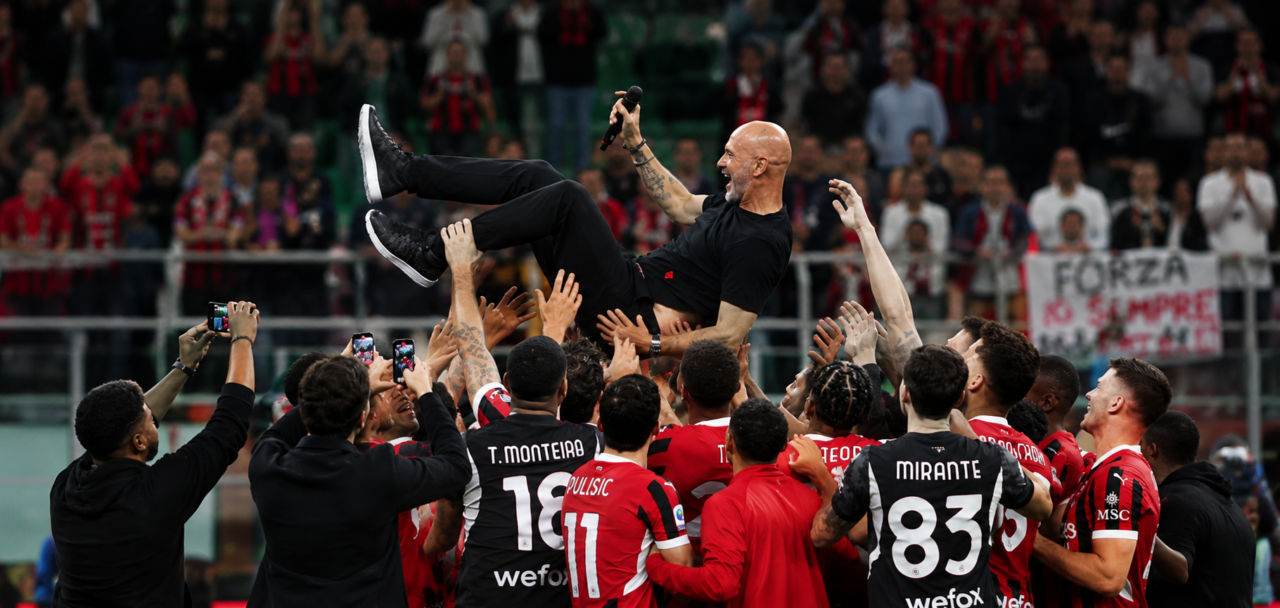

Football has produced many outstanding managers, but few have built a reputation through continuous adaptation quite like stefano pioli. Rather than relying on a single tactical identity, he has consistently evolved to meet the demands of different clubs, player profiles, and competitive environments.
From his early coaching experiences in Italy to winning Serie A with AC Milan, stefano pioli has demonstrated that leadership, tactical intelligence, and player development can be just as valuable as star power. His journey offers important lessons for coaches, analysts, and football supporters seeking a deeper understanding of modern management.
The Early Career That Built a Strong Foundation
Before becoming one of Italy’s most respected managers, Stefano Pioli enjoyed a professional playing career as a defender, representing clubs including Parma, Juventus, Hellas Verona, Fiorentina, and Padova. His understanding of defensive organization began during these years and later influenced his coaching philosophy.
His transition into management was gradual rather than glamorous. Working with youth teams before coaching clubs such as Salernitana, Modena, Parma, Piacenza, Sassuolo, Bologna, Lazio, Inter, and Fiorentina allowed him to accumulate valuable experience across different football environments.
Stefano Pioli’s Coaching Philosophy
The defining characteristic of stefano pioli is tactical flexibility. Instead of forcing every squad into one rigid system, he evaluates player strengths and builds a structure that maximizes collective performance while maintaining balance between attack and defense.
Equally important is his emphasis on communication. Players who have worked under Pioli frequently describe an environment built on trust, accountability, and mutual respect, qualities that often translate into improved confidence and consistent performances across a demanding season.
Tactical Identity and Playing Style
Modern football increasingly rewards managers capable of making in-game adjustments, and Stefano Pioli has consistently demonstrated this ability. While the 4-2-3-1 formation became strongly associated with his most successful teams, he has also utilized variations including 4-3-3 and flexible defensive structures depending on opponents.
His teams typically prioritize coordinated pressing, intelligent positional rotations, quick vertical transitions, and disciplined defensive recovery. Rather than dominating possession for its own sake, Pioli’s approach seeks purposeful ball progression that creates high-quality scoring opportunities.
The AC Milan Transformation
The period at AC Milan ultimately became the defining chapter of stefano pioli‘s managerial career. Taking charge during a period of inconsistency, he inherited a squad searching for stability, confidence, and long-term direction.
Under his leadership, Milan developed into one of Serie A’s most balanced teams, eventually capturing the 2021–22 league title while returning to UEFA Champions League prominence. The achievement ended the club’s lengthy domestic title drought and earned Pioli widespread recognition throughout European football.
Leadership Beyond Tactical Decisions
Elite coaching extends beyond formations and substitutions. Stefano Pioli has consistently demonstrated emotional intelligence, recognizing that successful teams depend on relationships as much as tactical preparation.
His calm demeanor on the touchline often contrasts with the intensity of competition. Rather than creating unnecessary pressure, he encourages players to solve problems collectively, fostering responsibility while maintaining confidence during difficult periods.
Major Career Milestones
The following overview highlights key stages that shaped Pioli’s managerial reputation.
| Career Stage | Significance | Long-Term Impact |
|---|---|---|
| Youth coaching | Developed teaching methodology | Strong focus on player development |
| Bologna | Established Serie A credibility | Built reputation for organized football |
| Lazio | Qualified for European competition | Enhanced tactical recognition |
| Inter Milan | Managed elite expectations | Valuable experience at a major club |
| AC Milan | Won Serie A title | Cemented international reputation |
| Al-Nassr | Expanded international coaching experience | Adapted to a different football culture |
Each position added new tactical lessons rather than simply extending his résumé. This willingness to learn has remained one of his defining professional strengths.
Player Development Under Pioli
One reason clubs value stefano pioli is his ability to improve individual players alongside overall team performance. Rather than depending exclusively on expensive transfers, he often unlocks greater consistency from existing squad members.
Young talents especially benefit from his structured coaching approach. Clear tactical responsibilities, regular communication, and gradual increases in responsibility allow developing players to mature without excessive pressure while contributing meaningfully to first-team success.
Strengths That Separate Stefano Pioli From Other Managers
Football management increasingly demands versatility, and Stefano Pioli has repeatedly demonstrated an ability to adjust without abandoning core principles. His tactical flexibility allows teams to respond effectively against opponents with contrasting styles.
Another distinguishing characteristic is resilience. Throughout his career, Pioli has experienced periods of criticism yet consistently responded through careful analysis, practical adjustments, and improved performances rather than emotional reactions.
“Success in football belongs to teams that improve every day, not only on match day.”
This philosophy reflects Pioli’s long-standing emphasis on continuous development, preparation, and collective responsibility.
Influence on Modern Italian Football
Italian football has traditionally been associated with defensive organization, but recent decades have introduced greater tactical diversity. Stefano Pioli represents this evolution by combining structured defending with proactive attacking principles and positional fluidity.
His work has influenced discussions about modern coaching in Serie A, demonstrating that tactical discipline and entertaining football can coexist. Many analysts point to his Milan side as an example of balanced contemporary Italian football built around teamwork rather than individual dependence.
Challenges, Adaptation, and Career Evolution
Every elite manager encounters setbacks, and Pioli’s career illustrates how adaptation often matters more than perfection. Changes between clubs, different competitive expectations, and varying squad profiles required continuous learning throughout his managerial journey.
Following his departure from Milan, he expanded his international experience with Al-Nassr before later returning to Fiorentina. Those chapters reinforced both the opportunities and pressures facing modern coaches working across different football cultures.
Why Stefano Pioli Remains Highly Respected
Respect within football rarely comes from trophies alone. Stefano pioli has earned admiration because players, supporters, and fellow professionals recognize his consistency, professionalism, and commitment to long-term improvement.
His coaching career demonstrates that sustainable success results from preparation, tactical understanding, emotional intelligence, and strong relationships inside the dressing room. Those qualities ensure his influence extends beyond any single club or season.
Conclusion
The story of stefano pioli is ultimately one of persistence, continuous learning, and intelligent leadership. From his early years as a defender to becoming a championship-winning manager, he has consistently embraced evolution rather than relying on fixed ideas.
As football continues to change through data analysis, tactical innovation, and increasing competitive intensity, Pioli’s adaptable approach remains highly relevant. Whether evaluating his tactical systems, leadership methods, or player development philosophy, his career offers valuable insights into what defines successful coaching in the modern game.
FAQ
Who is Stefano Pioli?
Stefano Pioli is an Italian football manager and former professional defender best known for leading AC Milan to the 2021–22 Serie A championship after managing numerous clubs across Italian football.
What is Stefano Pioli’s coaching style?
Stefano Pioli emphasizes tactical flexibility, coordinated pressing, structured defending, quick transitions, and strong player relationships while adapting systems to suit available personnel.
What is Stefano Pioli’s biggest achievement?
The most significant accomplishment of stefano pioli is guiding AC Milan to the Serie A title in the 2021–22 season, ending the club’s long wait for a league championship.
Which clubs has Stefano Pioli managed?
Throughout his managerial career, stefano pioli has coached clubs including Bologna, Lazio, Inter Milan, Fiorentina, AC Milan, and Al-Nassr, among several earlier appointments.
Why is Stefano Pioli respected in football?
Stefano Pioli is respected because of his tactical adaptability, leadership qualities, player development skills, and ability to improve teams through organization, communication, and consistent long-term planning.
Read More; Rui Pinto: The Whistleblower Behind Football Leaks and His Lasting Impact on Global Football